Comprehensive Guide to Understanding Heating And Cooling Systems and Their Benefits
Navigating the ins and outs of cooling and heating systems can be complicated, yet it's essential for enhancing indoor convenience and air high quality. The key depend on understanding the harmony in between air flow, home heating, and air conditioning components. A well-kept system provides numerous benefits, including power performance, improved air high quality, and consistent temperature level control. Choosing the best system tailored to specific demands needs expertise and guidance. As we discover this detailed overview, let's unwind the intricacies of HVAC systems together.
Recognizing the Basics of A/c Systems
Although complicated in layout and feature, comprehending the basics of heating and cooling Systems is necessary for house owners and building managers - Commercial refrigeration. HEATING AND COOLING, an acronym for air flow, air, and home heating conditioning, is a system designed to provide convenience in interior and automobile environments. The main duty of heating and cooling systems is to control space temperature, humidity, and air top quality to provide convenience to passengers. They complete this by getting rid of impurities from the air and maintaining the balance of moisture. The process includes an elaborate system of interconnected components that collaborate to achieve a climate-controlled atmosphere. Understanding the fundamentals of a/c systems is not just valuable for preserving comfortable living conditions however additionally for power efficiency and saving on energy expenses
Key Components of a Heating And Cooling System
Relocating ahead from the essential understanding of HVAC systems, it is necessary to recognize the essential parts that make these systems run properly. A cooling and heating system consists mainly of a furnace, air ductwork, thermostat, and conditioner. The furnace, usually powered by all-natural gas, oil or electricity, generates heat that is distributed throughout the building. The air conditioner, situated outside the structure, eliminates warm from the air and cools it before sending it right into the ductwork. The ductwork acts as a blood circulation system, dispersing the conditioned air throughout the building. Finally, the thermostat manages the temperature by signifying the system when to switch on or off-base on the temperature setting. Comprehending these elements can strengthen one's comprehension of heating and cooling systems.
How Do Cooling And Heating Equipment Work?

The Advantages of Having a Properly Maintained A/c System
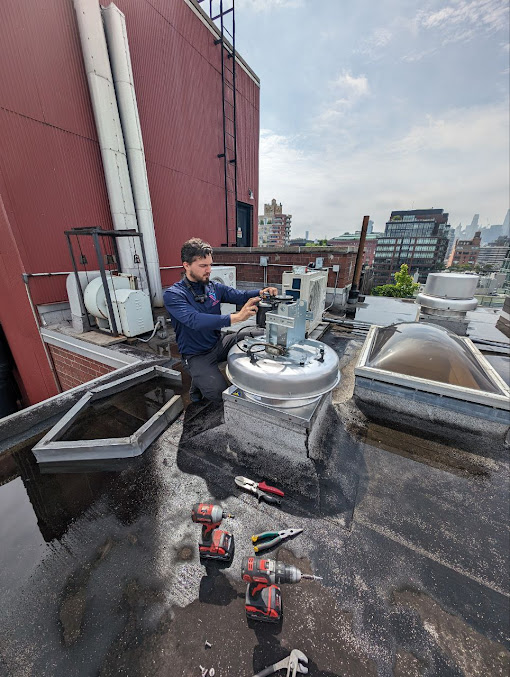
Tips for Choosing the Right A/c System for Your Area
When it concerns selecting the ideal cooling and heating system for your room, a number of factors need to be considered. The dimension of the room is crucial; a system that's too small will not efficiently warmth or cool your area, while an extremely big system wastes energy. In addition, the system's power effectiveness rating, gauged by its Seasonal Energy Efficiency Ratio (SEER), must be considered. Greater SEER ratings show far better energy effectiveness. The system's sound degree is an additional crucial consideration, as loud systems can disrupt your tranquility and quiet. Your budget plays a specifying duty. While premium systems might be more expensive in advance, they frequently prove more affordable in the lengthy run due to reduced maintenance and power costs.
Verdict
Finally, comprehending the ins and outs of a/c systems is important for optimal indoor convenience and air top quality. The components and features of these systems substantially influence energy performance and temperature control. Picking the best system and maintaining it effectively guarantees long life and price savings. HVAC installation. Inevitably, a well-informed method to HVAC systems can lead to improved living and workplace, adding to overall health and wellness
The main duty of HVAC systems is to regulate area humidity, air, and temperature level quality to provide convenience to residents. Moving onward from the fundamental understanding of Heating and cooling systems, it's crucial to recognize the vital elements that make these systems operate properly. The size of the space is essential; a system that's as well little will not effectively heat or cool your area, while an extremely big system wastes energy. The system's noise level is another important factor to consider, as loud systems can disrupt your tranquility and quiet. In verdict, recognizing the details of HVAC systems is important for optimal interior comfort and air high quality.